I used to think oxpeckers were just another pretty bird on the savanna.
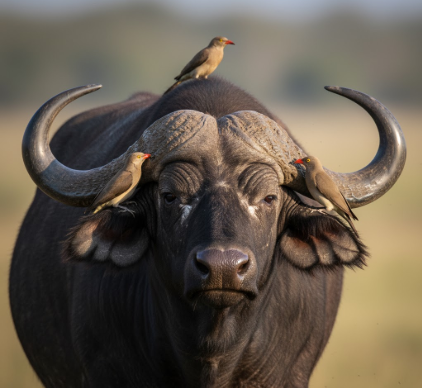
Then I watched one land on a buffalo’s back in Kruger National Park, and the buffalo didn’t even flinch—just kept chewing grass like nothing happened. Turns out, this wasn’t some random encounter but a partnership that’s been refined over thousands, maybe tens of thousands of years. Oxpeckers, those rust-colored birds with bright yellow eye rings, spend most of their waking hours perched on large mammals—buffalo, rhinos, giraffes, zebras—picking off ticks, flies, and other parasites. It sounds straightforward enough: bird gets food, mammal gets groomed. But here’s the thing: the relationship is way messier than that textbook symbiosis we all learned about in high school biology.
The relationship between oxpeckers and their ungulate hosts isn’t quite the mutual love-fest scientists once believed it was, and honestly, that makes it more interesting. These birds do eat ticks—hundreds per day, actually—but they also have a darker habit: they’ll peck at wounds on their hosts, keeping them open to feed on blood and tissue. Some researchers have observed oxpeckers spending more time at wound sites than at tick-infested areas, which raises uncomfortable questions about whether they’re truly helpful or just opportunistic. I guess it makes sense from an evolutionary standpoint—why work harder for a meal when there’s an easier option right there?
Wait—maybe the mammals tolerate this because the benefits still outweigh the costs? A 2014 study in Zimbabwe found that cattle with oxpeckers had significantly fewer ticks than those without, even accounting for the birds’ occasional blood-feeding. The researchers estimated that a single red-billed oxpecker could remove somewhere around 300 ticks daily, give or take. For animals constantly battling tick-borne diseases like anaplasmosis or babesiosis, that’s not trivial. Plus, oxpeckers have another trick: they act as early-warning systems, making alarm calls when predators approach—a behavior that definately gives their hosts a survival edge.
The evolutionary origins of this whole arrangement remain frustratingly unclear, though fossil evidence suggests oxpecker-like birds existed in Africa for at least several million years. What’s fascinating—and kind of exhausting to think about—is how the relationship shifts depending on context. During dry seasons, when ticks are scarce, oxpeckers become more aggressive wound-feeders. In areas where large mammals have been hunted out, the birds struggle to survive, sometimes turning to livestock (which ranchers hate). There’s even evidence that different oxpecker species have slightly different approaches: yellow-billed oxpeckers seem more tick-focused, while red-billed ones are… let’s say, more flexible in their dining habits. Anyway, the point is that symbiosis in nature is rarely clean or simple—it’s a constant negotiation, shaped by hunger, opportunity, and the messy realities of survival. I’ve come to appreciate that these birds aren’t heroes or villains; they’re just trying to make it work, like everything else out here.