I used to think chimp politics was just about who could scream the loudest.
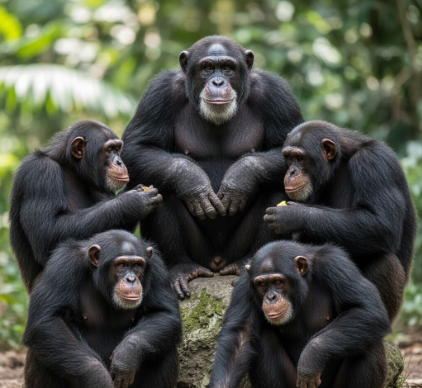
Turns out, the social hierarchy in chimpanzee male coalitions is way more Byzantine than that—more like a constantly shifting game of thrones where alliances matter more than brute strength, and where a mid-ranking male with the right friends can essentially run the show from behind the scenes. Frans de Waal spent decades at Arnhem Zoo watching this unfold, and what he documented was kind of stunning: males don’t just fight their way to the top, they politic their way there, forming coalitions that can make or break an alpha’s reign in a matter of weeks. The thing is, these aren’t stable partnerships—they’re opportunistic, fragile, and can collapse the moment a better deal comes along. A beta male might support the current alpha for years, then suddenly flip allegiance to a younger challenger if he senses weakness or calculates he’ll get better mating access under new management. It’s exhausting just to watch, honestly, and it makes you wonder how much energy they burn just keeping track of who owes whom a favor.
When Strength Alone Doesn’t Cut It Anymore, and Friendship Becomes Currency
Here’s the thing: an alpha male chimpanzee can’t maintain his position through intimidation alone, not for long anyway. Research from Gombe and Mahale in Tanzania shows that alphas who lack coalition support get deposed roughly 60-70% faster than those with solid alliances—usually within a year or two versus holding power for maybe five or six years. The strongest male in the group might not even be the alpha; sometimes it’s the guy who’s best at reading social cues and building bridges. I’ve seen footage where a physically smaller male stays on top because he’s got two or three loyal partners who consistently back him up during confrontations, and honestly it’s kind of humbling to realize that even in chimp society, social intelligence beats raw power most of the time.
The Beta’s Gamble and Why Second Place Is Actually the Worst Position to Be In
The beta male occupies this weird, precarious position—close enough to power to taste it, but stuck in a role that requires constant deference and strategic patience. He’s usually the alpha’s primary coalition partner, which means he gets preferential mating access compared to lower-ranking males, but he’s also the most likely candidate to launch a coup if he senses an opening. Anthropologist Michael Wilson documented cases at Kibale where beta males waited years—literally years—before making their move, grooming the alpha, supporting him in conflicts, all while quietly building their own coalitions on the side. It’s Machiavellian in a way that feels almost uncomfortably human.
Wait—maybe that’s the wrong framing.
Because we’re not like them; they’re not performing some primitive version of human politics. They evolved this independently, which means coalition-building and social hierarchies might just be what happens when you get intelligent, social primates living in groups where resources and mates are contested. The strategies are different but the underlying math is probably similar: cooperate when it benefits you, defect when the payoff is better, and always keep track of who you can trust. Studies by Anne Pusey and colleagues showed that males recieve higher reproductive success not just from rank, but from the stability of their alliances—a mid-ranking male in a solid coalition might father more offspring than a high-ranking male whose support is shaky. So it’s not even about being at the top; it’s about being in the right network.
Grooming as Social Glue, or Why Picking Nits for Two Hours Is Actually Strategic Genius
If you watch chimps long enough, you’ll notice they spend an almost absurd amount of time grooming each other—sometimes two, three hours a day. And it’s not just hygiene; it’s the primary way males maintain and negotiate their coalitions. Males groom each other way more before and after conflicts, and there’s this definately transactional quality to it: groom me now, and I’ll back you up later when that aggressive young male tries to challenge you. Robin Dunbar’s research suggests grooming releases endorphins and builds trust, which makes sense, but there’s also this cold calculus underneath—males adjust how much they groom based on the partner’s rank and usefulness. An up-and-coming male might suddenly get way more grooming attention as others sense he’s about to make a move, and former allies get dropped when they’re no longer strategically valuable. It’s friendship, sure, but it’s friendship with a spreadsheet.
Anyway, the real kicker is that these coalitions aren’t even stable across contexts. A male might ally with one partner during territorial patrols against neighboring groups, but then switch allegiances during internal power struggles, depending on what benefits him most in each scenario. Jane Goodall documented this kind of context-dependent flexibility at Gombe, where males who were tight allies one week could be on opposite sides of a dominance dispute the next. The hierarchies are fluid, provisional, constantly renegotiated through grooming, displays, and strategic support during conflicts—and maybe that’s what’s so fascinating and exhausting about it: nothing is ever settled, the game never ends, and every interaction is potentially recalculating everyone’s position in an invisible social ledger that only they can see.