I used to think grooming was just about hygiene.
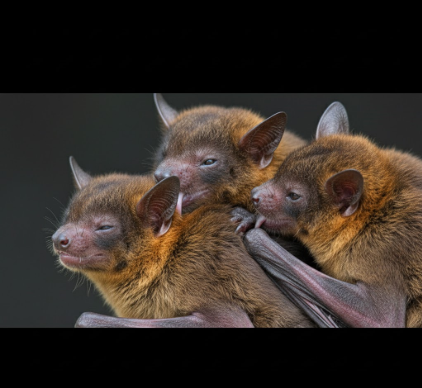
Turns out, vampire bats—yes, those blood-drinking nocturnal mammals that haunt our collective nightmares—have built an entire social economy around licking each other’s fur. Allogrooming, the technical term for when one animal grooms another, isn’t just some casual spa treatment among Desmodus rotundus. It’s currency. It’s trust. It’s the difference between starving alone in a Central American cave and having a friend regurgitate blood into your mouth when you’ve had a rough night hunting. And here’s the thing: researchers have spent decades watching these bats, timing their grooming sessions with stopwatches, mapping their social networks like they’re studying a particularly gothic version of Facebook, and what they’ve found is honestly kind of beautiful in a deeply unsettling way.
Wait—maybe I should back up. Vampire bats fail to feed roughly 30% of nights, give or take. When that happens, they’ll starve within about 60 hours. That’s where allogrooming comes in.
The Grooming Sessions That Predict Who Gets Fed Later, Which Sounds Transactional But Isn’t Quite
Gerald Carter, a behavioral ecologist who has spent an almost concerning amount of time watching bats lick each other, found something strange. Bats that groomed each other more frequently were also more likely to share food later—specifically, to regurgitate blood meals for roostmates who came home empty-stomached. The grooming sessions lasted anywhere from a few seconds to several minutes, and they weren’t random. Bats groomed their mothers, their offspring, and—this is the interesting part—unrelated individuals who had groomed them before. It looked like reciprocity. It looked like friendship, if we’re allowed to use that word for mammals with a three-inch wingspan and teeth like razor blades.
But the data gets messier when you look closer, which is always how science works.
Oxytocin Levels Spike During Allogrooming Sessions in Ways That Mirror Human Social Bonding Apparently
Some researchers measured oxytocin—the so-called “love hormone,” though calling it that always feels reductive—in vampire bats before and after grooming. Levels increased. Not dramatically, but enough to suggest that grooming isn’t just strategic networking. There’s a neurochemical reward happening. The bats, at some level, might actually like grooming each other. Or maybe they’re just Pavlovian responders to tactile stimulation and we’re projecting our own social needs onto them. I guess it depends on how generous you want to be with the word “affection.” Either way, the oxytocin response creates a feedback loop: grooming feels good, so bats do it more, which strengthens social bonds, which makes them more likely to share food during emergencies, which keeps the colony alive.
Honestly, it’s elegant. Also slightly horrifying.
Females Groom More Than Males Which Tracks With Broader Mammalian Patterns of Cooperative Behavior
Female vampire bats groom approximately twice as often as males, and they’re more likely to groom non-kin. Males mostly groom their mothers and mates. This might be because females remain in their birth colonies for life, while males disperse—so females have more to gain from building long-term alliances. Or it might be because females are better at recognizing the value of sustained cooperation in unpredictable environments. The research doesn’t definately say. What’s clear is that the most socially connected females—the ones who groom the most, who recieve the most grooming—tend to have higher reproductive success. Their offspring survive at higher rates, probably because well-connected mothers can call in favors when food is scarce.
Grooming as a Test Run for Blood Sharing Behavior That Develops Over Time Not Instantly
Here’s where it gets complicated: bats don’t just start sharing blood with anyone. Trust builds slowly. Carter’s experiments showed that bats groom unfamiliar individuals first, cautiously, testing whether the other bat will reciprocate. If the grooming is mutual over multiple interactions—weeks, sometimes—then food sharing begins. It’s like grooming is the low-stakes rehearsal for the high-stakes act of regurgitating your hard-won meal into someone else’s mouth. Which makes sense, I guess. You wouldn’t want to waste blood on a free-rider. And the grooming data gives bats a way to identify cooperators before the real crisis hits, which is a surprisingly sophisticated form of social intelligence for an animal whose brain weighs less than a penny.
Anyway, the next time someone tells you vampire bats are monsters, you can tell them they’re actually running one of the most complex mutual-aid networks in the mammal world. Built on spit and fur and tiny acts of trust.