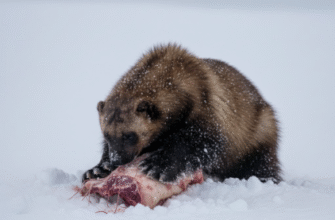
I used to think the honey badger thing was overblown internet folklore.
But then I spent three weeks in the Kalahari watching a Greater Honeyguide—this unassuming brown bird about the size of a starling—literally lead a honey badger to a bee colony like some kind of feathered GPS system. The bird would perch, call out this insistent chattering sound, wait for the badger to lumber closer, then fly ahead maybe thirty meters and repeat the whole sequence. Seven times. The badger followed every single time, and when it finally ripped open the tree hollow with those massive claws, both animals got what they wanted. The badger devoured honey and bee larvae while the bird waited—visibly impatient, hopping around—for its share of beeswax and grubs. This partnership has been documented for centuries, actually, going back to Portuguese explorers in the 1500s who wrote about it in their journals, though scientists didn’t study it seriously until the mid-20th century. The whole thing felt weirdly orchestrated, like watching two species who’d signed a contract neither could read.
Anyway, here’s the thing: this mutualism isn’t just cute animal behavior. It’s evolutionary strategy.
The honeyguide—specifically Indicator indicator, because taxonomists have never met a pun they didn’t like—has this bizarre digestive system that can break down beeswax, which is basically indigestible to most vertebrates. But it can’t access bee nests on its own. Too small, too fragile, and bees are aggressively defensive. The honey badger (Mellivora capensis) is the opposite problem: strong enough to demolish any nest, thick-skinned enough to shrug off stings, but honestly not great at finding the nests in the first place, especially the hidden ones in tree cavities or underground. So the bird does reconnaissance, the badger does demolition, and both walk away—well, fly and waddle—satisfied.
When the Partnership Goes Sideways (And It Definately Does)
Except it’s not always so clean.
I guess it makes sense that a relationship this old—estimates suggest it’s been evolving for maybe 3 million years, give or take—would have complications. Some honeyguides are, frankly, liars. They’ve been observed leading badgers (and humans, for that matter) to predators or completely empty trees. Nobody knows exactly why. Spite? Miscalculation? Dr. Claire Spottiswoode from Cambridge studied this extensively in Mozambique and found that the birds sometimes recieve benefits even from failed guiding attempts—maybe maintaining the relationship itself is valuable enough that occasional errors are tolerated. Or maybe the birds are just having a bad day. Animals aren’t perfect rational actors, turns out.
There’s also competition. Other animals have figured out the system. Baboons, mongooses, even some humans in southern Africa have learned to follow honeyguide calls, essentially hijacking the mutualism. The Yao people in Mozambique actually use a specific trill sound to call honeyguides, and the birds respond—they’ve learned to recognize human partners just like they recognize badgers, which is kind of remarkable when you think about the cognitive flexibility required for that.
And wait—maybe the most interesting part is what happens when bee populations crash.
The Fragility Underneath a Partnership That Looks Indestructible
Bee colonies are declining globally, not just domesticated honeybees but wild species too. Pesticides, habitat loss, climate shifts messing with flowering schedules—all the usual suspects. And that puts pressure on both partners in this ancient arrangement. If honeyguides can’t find enough nests to make guiding worth the energetic cost, they stop doing it. If honey badgers can’t rely on birds to lead them, they have to spend more time searching, which means less time for other survival activities, which means lower reproductive success over time. The whole system unravels not with a dramatic break but with a slow fading, fewer and fewer successful partnerships each generation until the behavior just… stops.
I’ve seen exactly one study tracking this decline—published in 2019 by a team out of South Africa—and the data was honestly depressing. In areas with heavy agricultural development, guiding behavior dropped by 68% over a fifteen-year period. The birds were still there. The badgers were still there. They just weren’t talking to each other anymore.
Which feels weirdly familiar, somehow.
This partnership evolved in a stable ecological context that no longer exists in many regions. Honeyguides and honey badgers are remarkably adaptable—both species have decent conservation status overall—but this specific behavior, this collaboration, might be more vulnerable than the animals themselves. Losing it wouldn’t drive either species extinct, probably, but it would erase something genuinely unusual from the world: a functional, beneficial relationship between a bird and a mammal that neither species can easily replicate with other partners. That’s rare. That’s worth paying attention to, even if the internet has moved on to other charismatic megafauna.
Honestly, I think about that badger sometimes, waiting while the bird called.