I used to think frogs were pretty hands-off parents.
Turns out, the hairy frog—Trichobatrachus robustus, if you’re keeping track—is basically the helicopter parent of the amphibian world. These Central African frogs, named for the bizarre hair-like dermal papillae that sprout on males during breeding season, don’t just lay eggs and bounce. The males stick around mountain streams for weeks, sometimes months, guarding their tadpoles with what can only be described as obsessive vigilance. They’ll sit on submerged rocks, their weird filamentous “hairs” waving in the current like some kind of aquatic shag carpet, and they’ll actively defend their clutch against predators, fungal infections, and apparently anything else that looks threatening. Scientists studying populations in Cameroon have documented males staying with tadpole groups for up to 70 days, which—honestly—is longer than some human parents manage consistent bedtime routines.
Here’s the thing: those hair-like structures aren’t decorative. They’re respiratory organs. Male hairy frogs develop these highly vascularized filaments during breeding season to increase their surface area for gas exchange, which lets them stay submerged longer without coming up for air. It’s essentially DIY gills, evolved specifically for the parenting shift.
The underwater vigil that redefines amphibian commitment to offspring survival
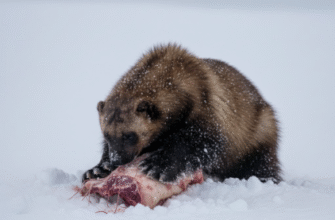
The streams where hairy frogs breed are cold, fast-moving, and oxygen-rich—environments where you’d think tadpoles would be fine on their own. But predation pressure is intense. Dragonfly nymphs, fish, even other frogs will happily snack on tadpoles. So the males position themselves upstream or downstream of their clutch, and they don’t just sit there passively. They’ll lunge at intruders, use their hind legs to kick away debris that might smother eggs, and—this part still kind of blows my mind—they’ll actually break their own toe bones to produce retractable claws when threatened. It’s called the “horror frog” in some regions for a reason. The bone punches through the skin, Wolverine-style, creating a weapon that researchers believe is used both for defense and possibly male-male combat over breeding sites.
Wait—maybe that sounds extreme. But mountain stream real estate is limited, and a good oxygenated pool with the right substrate can mean the difference between total reproductive failure and successfully raising dozens of offspring.
Anyway, the paternal care doesn’t stop at guard duty.
When oxygen levels drop and fathers become living life support systems
During periods of low water flow or when organic matter accumulates and reduces dissolved oxygen, male hairy frogs will shift position to create better water circulation around their tadpoles. Some field observations from the early 2000s—Cameroonian herpetologists doing genuinely uncomfortable fieldwork in cold mountain water—documented males performing what looked like deliberate fanning motions with their hind legs. The hypothesis, which hasn’t been fully tested but makes intuitive sense, is that they’re actively aerating the water. Their respiratory papillae give them the stamina to stay down there long enough to make a differance. One researcher described watching a male stay submerged for over 15 minutes straight, which for a frog is kind of remarkable. Most frogs surface every few minutes. These guys are built different, literally.
I guess it makes sense from an evolutionary standpoint—invest heavily in a few clutches rather than scatter-shooting thousands of eggs like some amphibians do.
The evolutionary puzzle of why some frogs parent and others abandon immediately
Parental care in amphibians is weirdly inconsistent across species. Most frogs lay eggs and leave, relying on sheer numbers to ensure some offspring survive. But hairy frogs, along with a handful of other species like poison dart frogs and Surinam toads, have evolved intensive care strategies. The leading theory involves environmental predictability and egg vulnerability. Mountain streams are stable but dangerous—predictable water quality but high predation and fungal risk. In those conditions, active guarding pays off. Males that stay see significantly higher tadpole survival rates, roughly 60-70% compared to maybe 10-15% for unguarded clutches in similar habitats. The caloric cost of staying submerged for weeks, not feeding, just breathing through your weird skin hairs and occasionally stabbing things with your bone claws—that’s got to be enormous. But apparently the reproductive payoff justifies it, at least in terms of passing on genes that code for both the physiological adaptations and the behavioral commitment. Evolution doesn’t care about comfort, just results.
Honestly, watching videos of these frogs—there’s something almost unsettling about how still they can be, then suddenly violent when a threat appears. Very dad energy, actually.