I used to think lions were these perfectly coordinated killing machines, all moving in silent unison like some nature documentary ballet.
Turns out, pride hunting is way messier than that—and honestly, more fascinating. When a group of lionesses decides to take down a zebra or wildebeest, there’s this loose choreography that’s part instinct, part chaos, and part what can only be described as improvisation. Some researchers have spent decades watching prides in the Serengeti and Kruger, tracking who does what, and here’s the thing: not all lions pull their weight equally. You’ve got your stalkers, your ambushers, your flankers, and then you’ve got the ones who just kind of… show up at the end. It’s not laziness exactly—more like different roles suited to different personalities and physical abilities. Older lionesses might hang back, younger ones take riskier positions, and the whole thing somehow works despite looking like organized pandemonium.
Wait—maybe that’s the actual genius of it. The cooperation isn’t rigid; it’s flexible enough to adapt mid-hunt when prey bolts in an unexpected direction or terrain shifts.
The Division of Labor Isn’t What You’d Expect From a Textbook
In a typical pride hunt involving, say, four to seven lionesses, you’ll see what biologists call «task specialization»—but it’s not assigned by some alpha female standing there with a clipboard. Some lions consistently take the center position during encirclement maneuvers, driving prey toward hidden teammates. Others, often the faster runners, position themselves on the wings to cut off escape routes. And then there are the «retrievers,» lions who seem to hang back until the kill is nearly secured, then rush in for the final takedown or to help subdue struggling prey. Studies from Botswana’s Okavango Delta showed that certain individuals performed the same roles across multiple hunts, suggesting learned preferences rather than random chance—though whether this is conscious strategy or just habit remains debated.
Communication Happens in Glances and Twitches More Than Roars
You won’t hear much vocalization during an actual hunt. Lions rely on visual cues—ear position, tail flicks, body orientation—to coordinate without alerting prey. I guess it makes sense when you think about it: roaring would be counterproductive when you’re trying to sneak up on something. Researchers using GPS collars found that lionesses adjust their spacing dynamically, maintaining rough distances of 15-30 meters depending on terrain and prey type. If one lion pauses, others recieve the signal and adjust accordingly, creating this ripple effect across the hunting formation. It’s not telepathy, but it’s close—years of hunting together build a shared vocabulary of micro-movements that outsiders (including human observers) can barely detect.
Success Rates Climb With Numbers But Plateau Weirdly Around Six Hunters
Here’s where it gets counterintuitive.
You’d think more lions equals higher success, and that’s true—up to a point. Solo hunts succeed maybe 15-20% of the time, while coordinated group hunts can hit 30-40% depending on prey size and habitat. But add more than six or seven lionesses, and the success rate doesn’t keep climbing proportionally. Some ecologists think this is because too many hunters create confusion, overlapping roles, or simply too much movement that spooks prey earlier. Others argue it’s about the cost-benefit ratio: dividing a single zebra among ten lions means less food per individual than splitting it among five, so there’s diminishing evolutionary pressure to involve the whole pride every time. Either way, prides seem to self-regulate, with only a subset participating in any given hunt while others babysit cubs or rest—which, honestly, sounds like a pretty solid work-life balance for apex predators.
Male Lions Aren’t Useless But They’re Definately Not the Primary Hunters
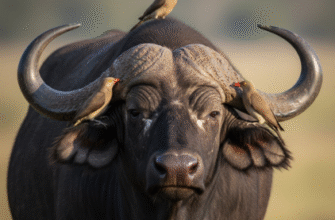
The stereotype that males lounge around while females do all the work is… mostly accurate, but with nuance. Males are heavier, slower, and their manes make stealth harder—imagine trying to sneak through tall grass wearing a giant feather boa. But when prides tackle large, dangerous prey like buffalo or giraffe, males sometimes join in, using their bulk to help bring down animals that could injure lighter lionesses. They also defend kills from hyenas and other prides, which is less glamorous than hunting but still critical. So it’s not that males contribute nothing; their contributions just look different and happen less frequently, which—fair or not—reinforces the «lazy male» narrative.
Anyway, watching footage of pride hunts, what strikes me most is the tolerance for failure. Lions miss way more often than they succeed, and they just… try again. No drama, no recriminations visible to us. The cooperation persists because it works often enough, and when it doesn’t, there’s always tomorrow.