
Author: Dr. Helena Riverside, Wildlife Biologist and Conservation Researcher
Dr. Helena Riverside is a distinguished wildlife biologist with over 14 years of experience studying animal behavior, ecosystem dynamics, and biodiversity conservation across six continents. She specializes in predator-prey relationships, migration patterns, and species adaptation strategies in changing environments, having conducted extensive fieldwork in African savannas, Amazon rainforests, Arctic regions, and coral reef ecosystems. Throughout her career, Dr. Riverside has contributed to numerous conservation initiatives and published research on endangered species protection, habitat preservation, and the impact of climate change on wildlife populations. She holds a Ph.D. in Wildlife Biology from Cornell University and is passionate about making complex ecological concepts accessible to nature enthusiasts and advocates for evidence-based conservation strategies. Dr. Riverside continues to bridge science and public education through wildlife documentaries, conservation programs, and international research collaborations.
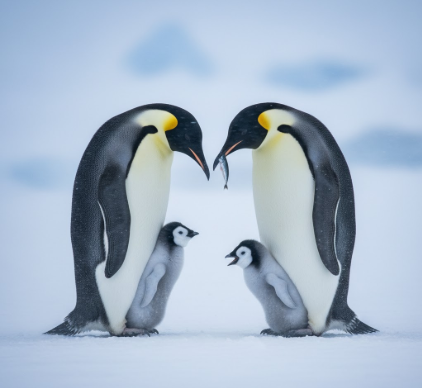
I used to think penguins were just, you know, cute. Then I spent three weeks reviewing footage from Antarctic research stations, watching emperor penguin
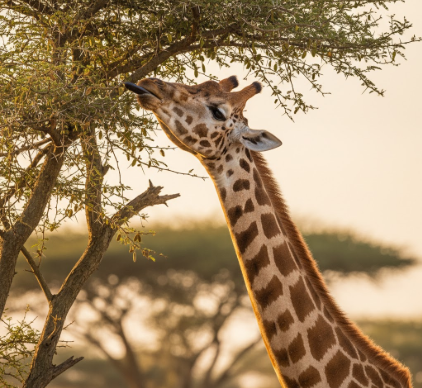
I used to think giraffes were just, you know, tall horses with spots. But here’s the thing—when you actually watch a giraffe feed in the Serengeti
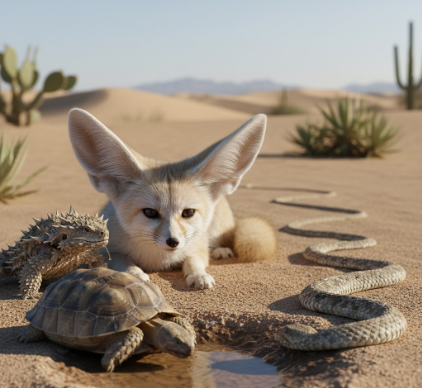
I used to think deserts were just empty wastelands where nothing interesting happened. Turns out, I was completely wrong—and honestly, the more I learned
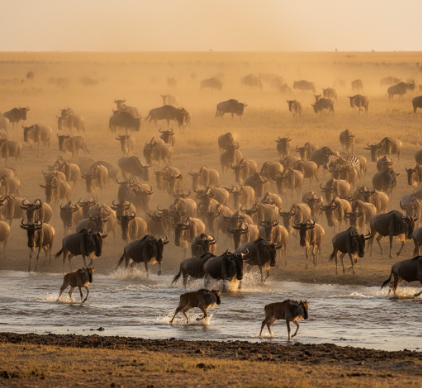
I used to think wildebeest were basically just awkward-looking cows with bad PR. Then I spent three weeks following the migration through the Serengeti
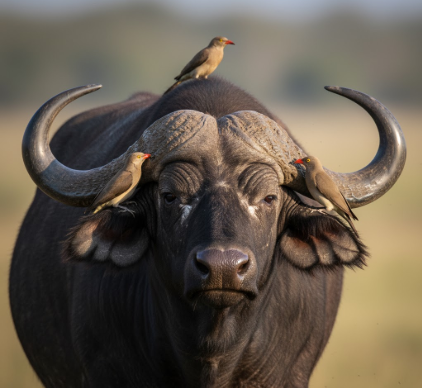
I used to think oxpeckers were just another pretty bird on the savanna. Then I watched one land on a buffalo’s back in Kruger National Park, and
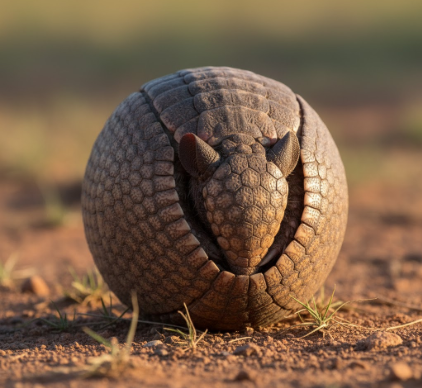
I used to think armadillos were basically just walking helmets—cute, sure, but not exactly strategic thinkers when it came to evading death.
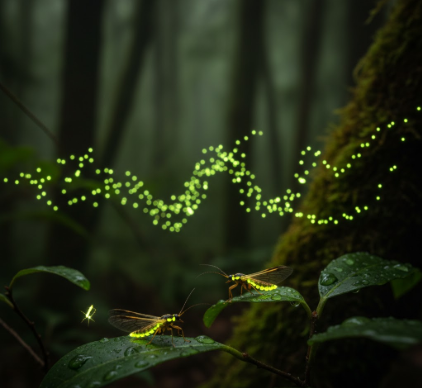
I used to think fireflies were just showing off. Turns out, those tiny bursts of yellow-green light aren’t random at all—they’
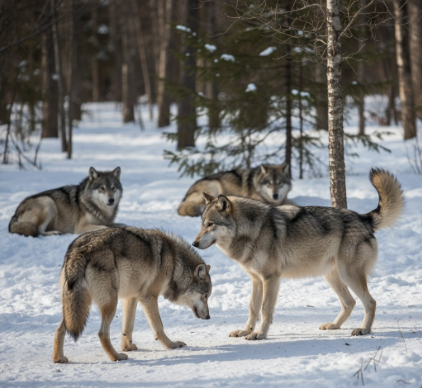
I used to think wolf packs operated like military units—rigid chains of command, alphas barking orders, subordinates cowering in submission. Turns out, that’
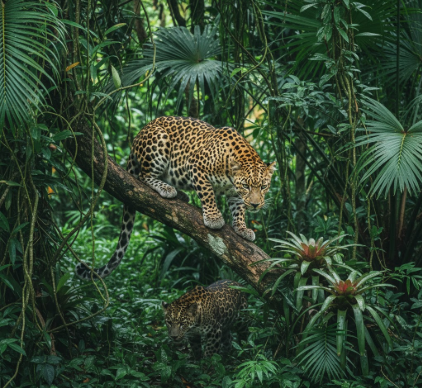
Leopards don’t hunt like lions. I used to think all big cats were basically the same—apex predators with different paint jobs, you know?
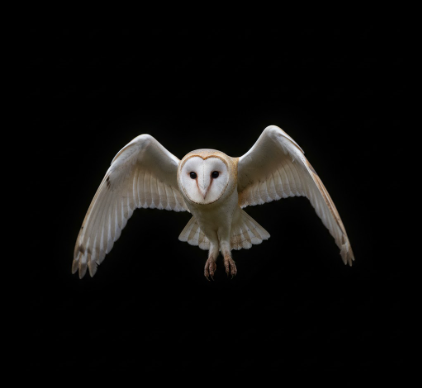
I used to think owls were just creepy birds that showed up in horror movies, but turns out their silent flight is one of nature’s most sophisticated